Project 01 · System
Osiris OS
One system for the phone, the tablet, the computer, the TV and the car: the same apps, the same settings and the same intelligence, hosted in France.
The problem
Our digital lives are scattered across a handful of giants: files with one, photos with another, the assistant with a third, and nothing really talks to anything else. I wanted one system of our own that follows people from one device to the next and keeps their data in France.
What I built
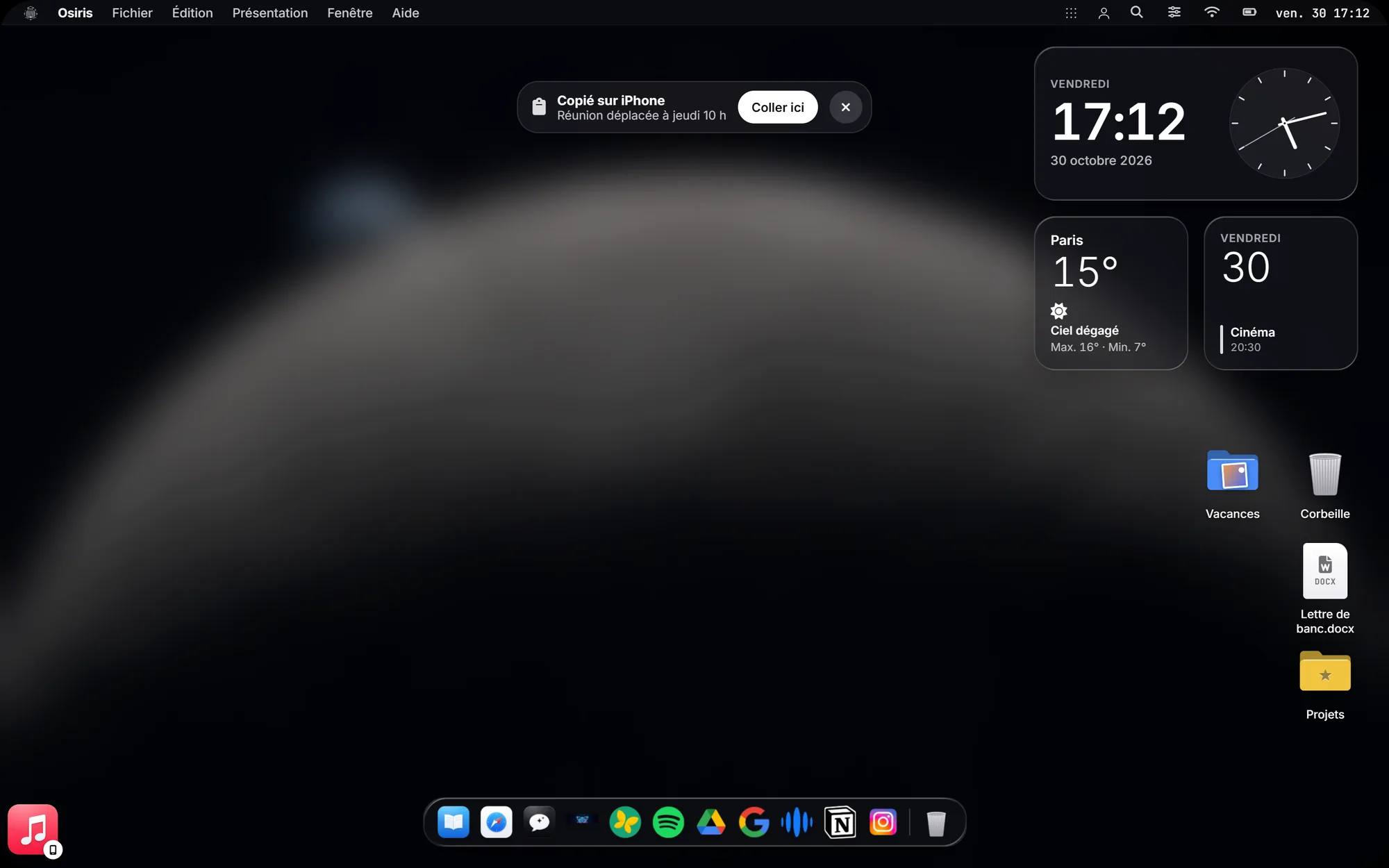
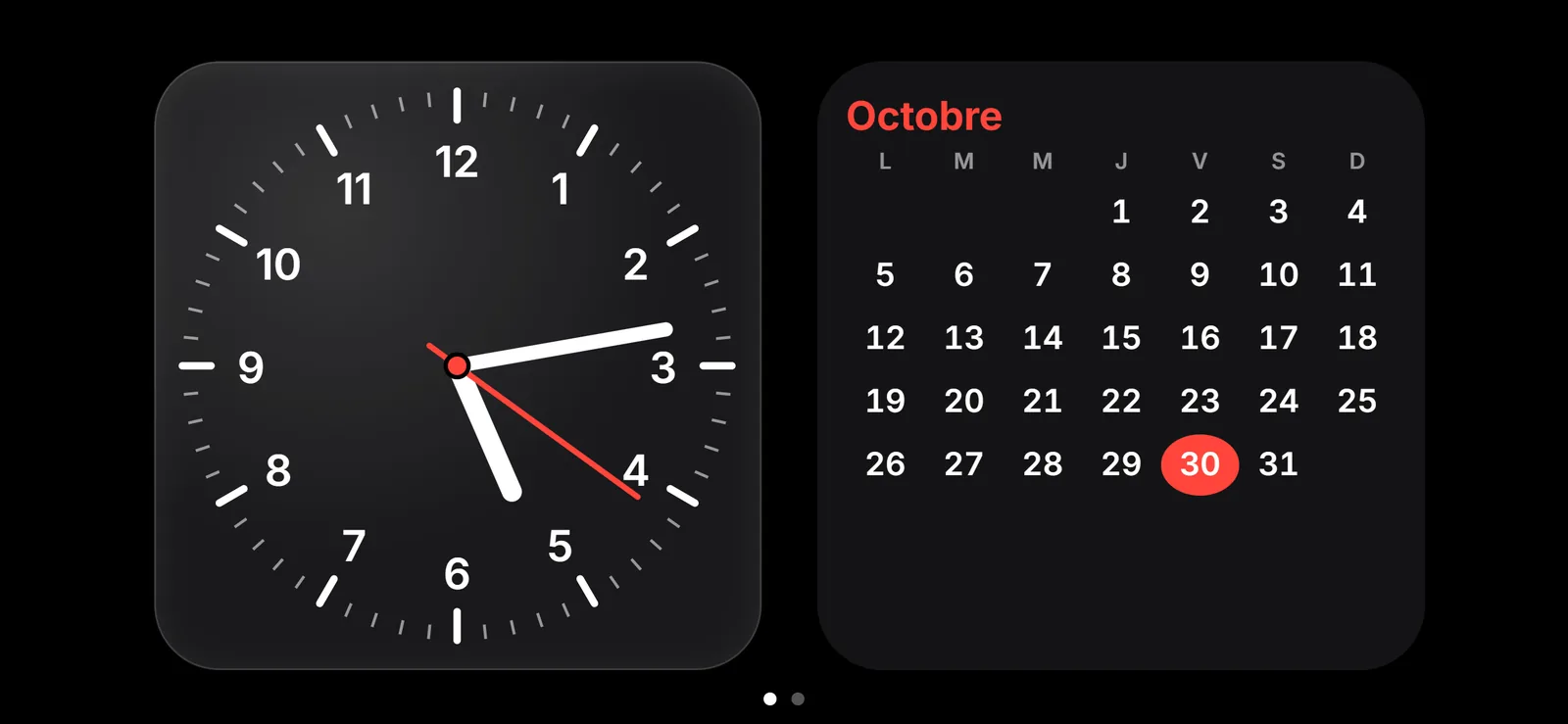
- A WebOS that opens in any browser and adapts to the device: a phone home screen, a computer desktop, a TV mode, a dashboard for the car.
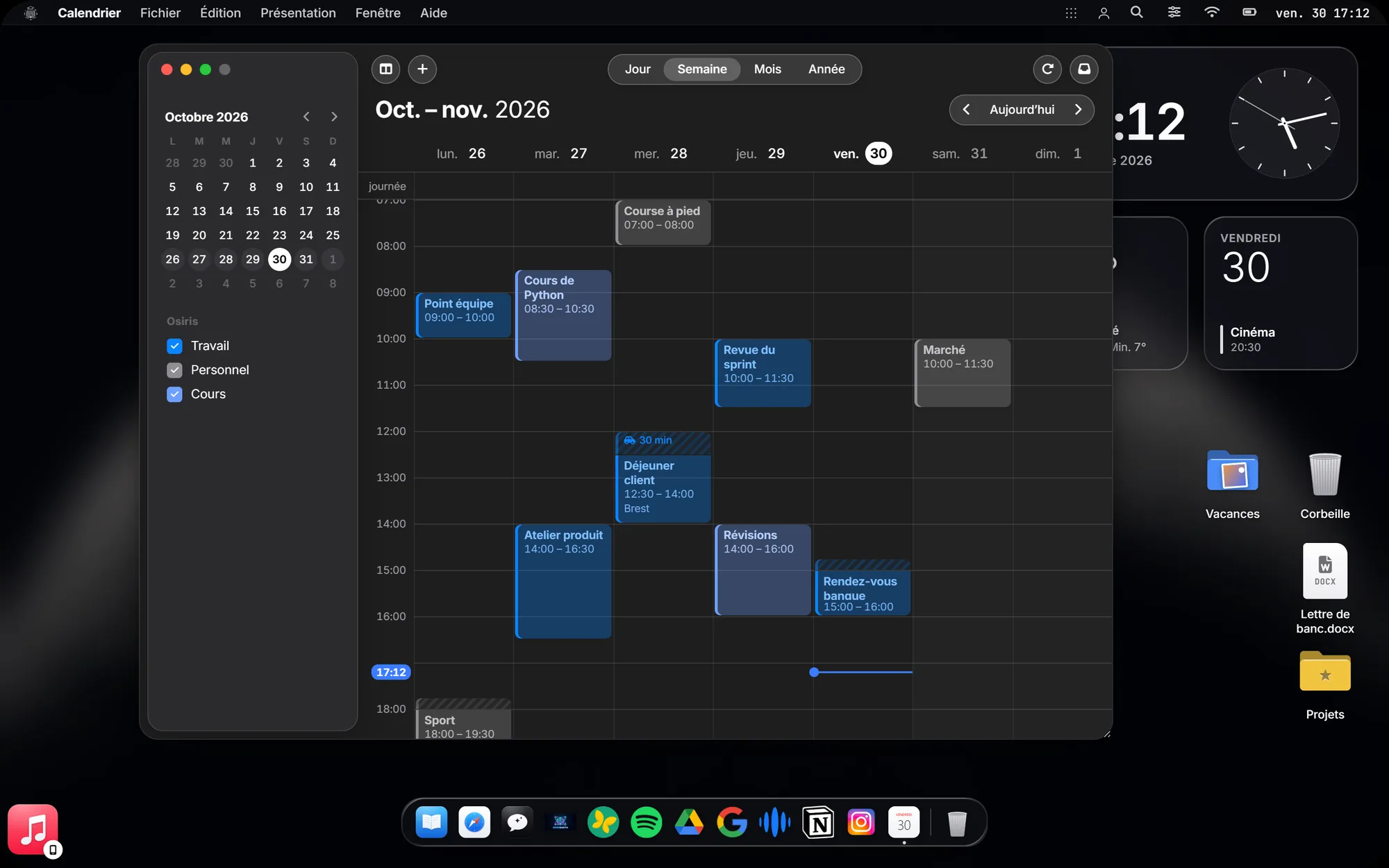
- More than 50 apps written for it: mail with hidden addresses, audio and video calls, files, calendar, notes and stylus notebooks, music, maps, wallet, health, family and parental controls, books, podcasts, encrypted journal, whiteboard, tables, wiki, forms…
- Osiris Intelligence: you talk to the system and it answers with our own models (Thot); anything that writes asks for confirmation first.
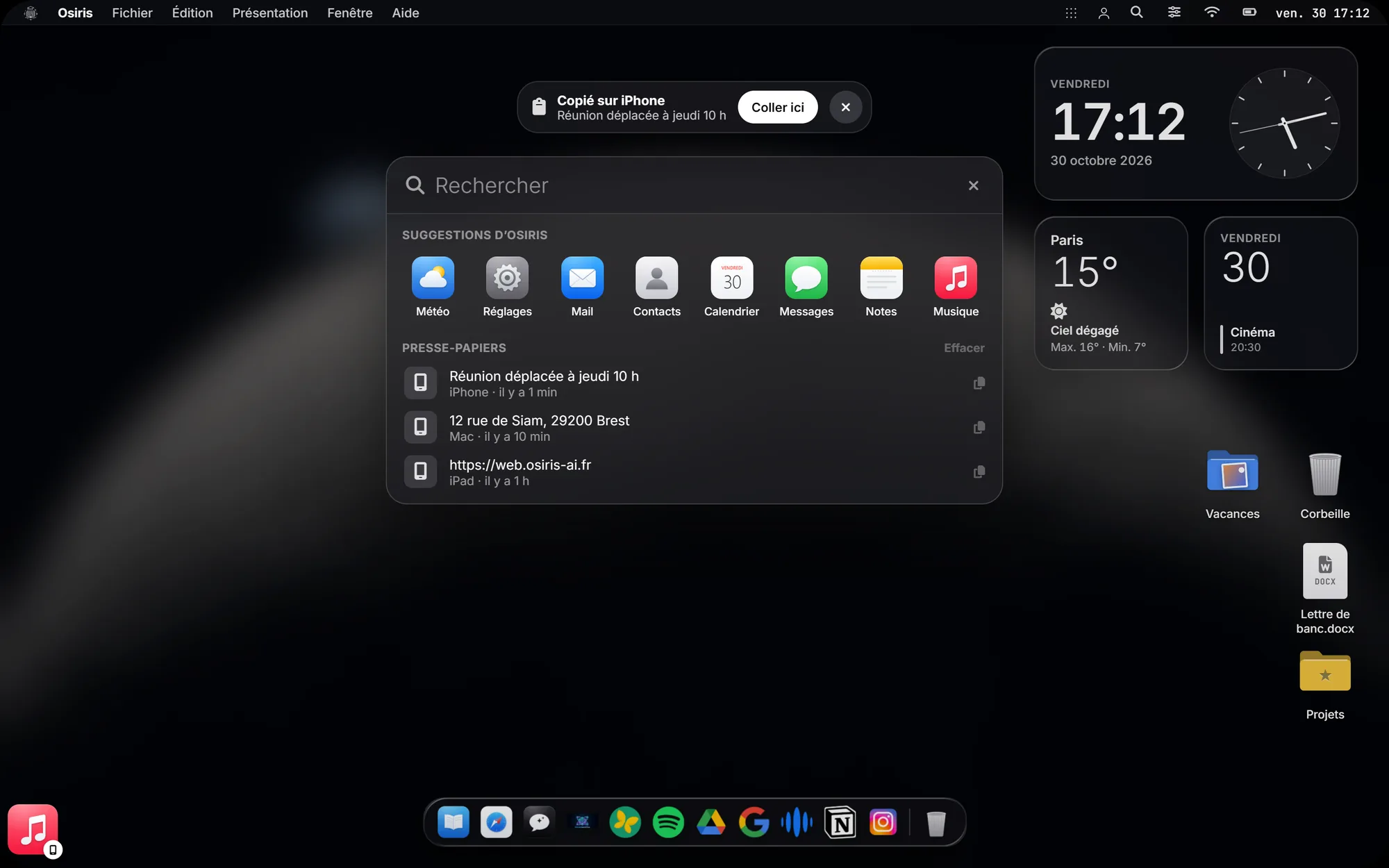
- Continuity: a clipboard that follows your devices, resuming music or a folder elsewhere, calls that ring the device even with the page closed.
- Offline first: if the network drops, settings and changes stay, then sync when it's back — and nothing is ever silently overwritten.
- Its own infrastructure: a gateway of ours, the Host, takes over one service after another (identity, keys, files, calendars, contacts, documents), one account at a time.
- Osiris Launcher: the Osiris home screen as an Android app, tested on phone, TV and car.
By the numbers
How
Each app is a module loaded on demand. Identity, storage and services go through a single door: we can change servers without touching the apps — that's what lets us leave Nextcloud step by step. Every release first goes through a test bench that opens every app on desktop and phone; then the fingerprint of each published file is checked against the repository.
Real screenshots